What Actually Breaks First on a Power Nursery Chair
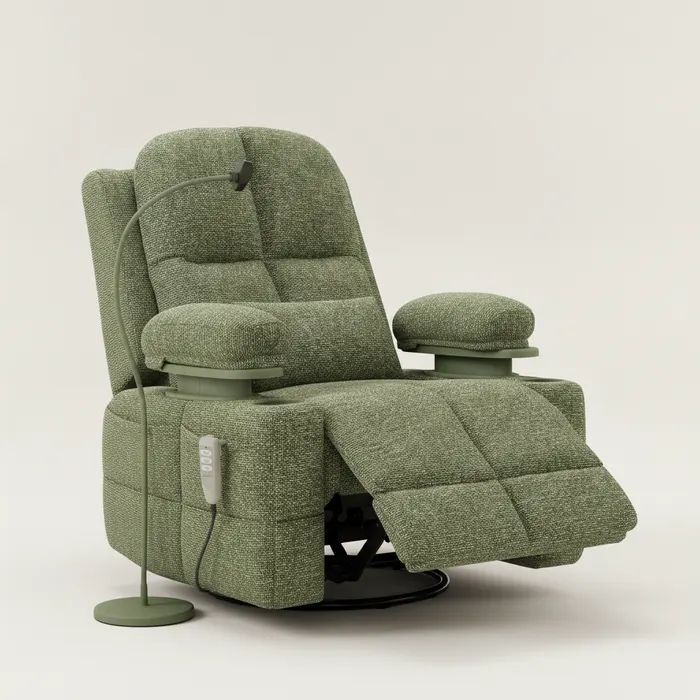
AI-generated representative image — not an actual product photo.
Most product pages only show you a chair on day one. We think the more useful question is what it's like on day 180 - so here's what one detailed, six-months-in verified review actually reported.
What one long-term owner reported after six months of daily use
- The power armrests "no longer hold in place" as firmly as when new, and now make a slight clicking sound when adjusted
- The rocking motion had become noticeably louder and more distracting over time
- The remote's charging port didn't reliably charge a phone
Notably, that same reviewer still rated the chair as more comfortable overall than a cheaper glider she'd used with her older two kids - this wasn't a "return it" review, it was a "here's what actually happens" review, which is exactly why we think it's worth reading.
Why this happens with power mechanisms in general
Any chair with moving, motorized parts - rotating armrests, a powered recline track - has more that can loosen or wear over months of daily use than a fixed manual glider does. That's not unique to one product; it's a genuine tradeoff of the category, and it's worth going in with realistic expectations rather than assuming "powered" means "maintenance-free forever."
What can offset it
This particular chair carries a 5-year warranty, which matters more given the wear pattern above than it would on a chair with no moving parts to begin with. If you're comparing power chairs, ask specifically what the warranty covers on the motor and armrest mechanisms, not just the frame.
Read the full review for the complete honest breakdown, praise and caveats both.